introduction: driven by regional expansion and compliance needs, enterprises are increasingly paying attention to renting cloud servers in thailand to support cloud native migration. based on typical migration cases, this article analyzes best practices and experiences in network, compliance, architecture, operation and maintenance, etc., for reference by technical teams and decision-makers.
the background and motivations of cloud native migration in thailand
common reasons why enterprises choose to deploy cloud-native applications in thailand include local access performance, regulatory compliance, and market expansion. it can be seen from the cases that clarifying business goals and data boundaries is the first task before migration, which will help subsequent architecture design, network planning and compliance assessment to be more targeted.
network architecture and latency optimization strategies
network and latency are core indicators that affect user experience. practice shows that priority should be given to deploying nearby nodes, rationally planning subnets and cross-availability zone traffic, and using methods such as connection optimization, cdn, and edge caching to ensure that cloud-native services have stable and predictable network performance in thailand.
compliance requirements and data sovereignty considerations
compliance and data sovereignty cannot be ignored in cross-border migrations. the case shows that it is necessary to sort out applicable regulations, determine the classification of sensitive data, and design encryption and access control policies. at the same time, it is necessary to collaborate with the legal and compliance teams to establish audit and trace mechanisms to meet regulatory and customer trust requirements.
containerization and microservices deployment best practices
when renting cloud servers in thailand, containers and orchestration platforms can significantly improve delivery efficiency. it is recommended to adopt standardized mirroring, phased release, health check and elastic scaling strategies, combined with the continuous integration/continuous delivery (ci/cd) process to ensure service stability and rapid iteration.
observability, logging and failure response
perfect observability is the foundation for the robust operation of cloud native. practical experience includes unifying log and indicator collection, establishing alarm strategies and fault drill processes, and using tracking and analysis tools to locate problems to achieve closed-loop operation and maintenance capabilities from event detection to root cause location.
cost management and supplier selection considerations
cost control includes both direct resource expenditures and operation and maintenance and network costs. it is recommended to optimize resource utilization through resource specification evaluation, on-demand and reserved combinations, capacity planning and monitoring; at the same time, when selecting suppliers, focus on evaluating network quality, compliance support and technical service capabilities.
summary and suggestions
summary: cloud native migration to renting a cloud server in thailand requires systematic planning in terms of network, compliance, architecture and operation and maintenance. it is recommended to start from the business goals, conduct feasibility assessment and small-scale pilot first, establish a standardized delivery and observation system, and continue iteration to reduce risks and improve user experience.

- Latest articles
- Free Server Korea Security Protection Policy And Backup Implementation Guide
- Cost And Operation Management Recommendations For Enterprises Deploying Korean CN2 Site Cluster Cloud Servers
- Basic Information On Taiwan Proxy Servers, Common Terminology Explanations, And Purchase Precautions
- How To Choose A Cloud Server In Thailand: From Network Latency To After-sales Service, Comprehensive Aspects
- Recommended Recommendations For Operators To Improve Thailand's High-Defense VPS Protection And Bandwidth Stability By Comparison
- Optimized Storage Costs For Hong Kong Hosted Servers, Hard Disk Servers, Layered Storage, And Cold Archiving Solutions
- Are Tencent Cloud Korean Servers Native? Recommendations For Local Service Provider Integration And Latency Optimization
- The Enterprise Migration Guide Teaches You How To Apply For US Dual-line Server Hosting To Ensure Compliance
- How Does AWS Cloud Server In Japan Charge? Bill Analysis And Fee Alert Settings
- Beginner's Guide: Which Hong Kong Site Cluster Servers Are Best To Use? Choose Based On Your Business Scale
- Popular tags
-
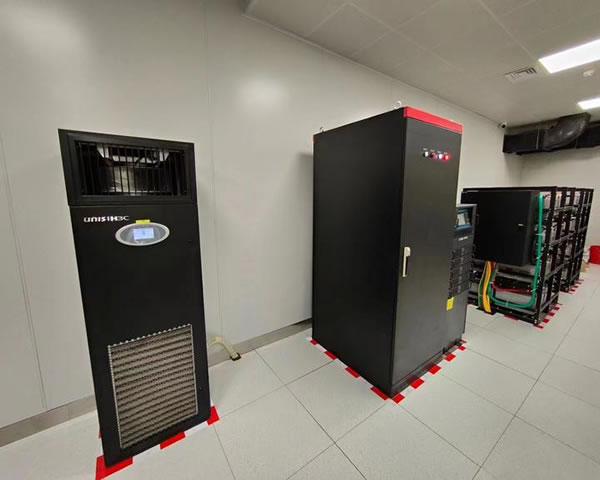
Deployment Recommendations And Performance Tuning Tips For Thai VPS In Cross-Border Acceleration And Access Control Scenarios
Targeting cross-border acceleration and access control use cases, this article provides recommendations for deploying VPS in Thailand along with performance optimization tips. It covers network architecture, line selection, security policies, and system-level optimizations to enhance stability and access speed in Southeast Asia. -

Thailand Cloud Server Rental Costs, Budget Recommendations For Small Sites And High-traffic Projects
This article focuses on the cost of renting cloud servers in Thailand, offering budget advice for small sites and high-traffic projects. Introduces key factors affecting costs, selection approaches, balancing performance and cost, and optimization strategies to help formulate reasonable leasing plans. -
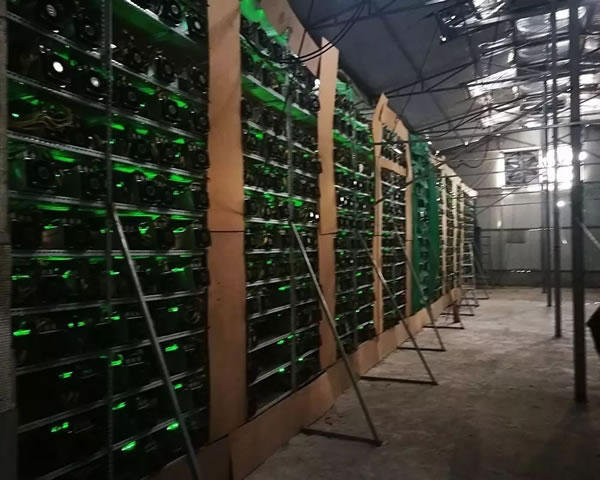
Evaluating Long-term Operational Costs Helps Avoid Focusing Solely On Short-term Discounts When Purchasing Thai Cloud Servers At Low Prices
When purchasing Thai cloud servers at low prices, avoid focusing only on short-term discounts. This article analyzes the components of long-term operational costs, common pitfalls, network and storage expenses, SLAs and support services, security and compliance considerations, as well as methods for TCO assessment, and provides decision-making recommendations.